

Getting a rhinoplasty is an exciting step toward achieving your dream facial shape. However, many patients may become immediately concerned if they notice lump on nose after rhinoplasty.
You can have a less stressful and easier healing process if you know what causes a bulge on your nose, how long it typically lasts, and when to seek care.
In this article, we’ll describe the causes of lumps after rhinoplasty, the difference between hard and soft bumps, their normal duration, and the course of recovery.
We’ll also provide helpful tips on how to control swelling, when to call your surgeon, and how reputable clinics like MaviEsta assist patients in the UK at every stage.
Why Do Lumps Appear on the Nose After Rhinoplasty?
After rhinoplasty, a lump on nose after rhinoplasty can sometimes appear due to internal scar tissue or calluses forming as part of the body’s natural healing reaction.
These structures, which can result in tiny nasal lumps or bumps as well as hardness beneath the skin, form when the nose stabilises and tissues repair themselves.
While very little scar tissue usually softens and disappears with time, bigger or more obvious calluses could need extra care if they affect the final look.
Seeing your surgeon on a regular basis enables you to track recovery and identify any issues early.
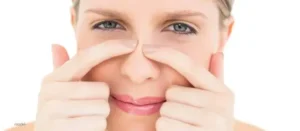
Is a Lump on Nose After Rhinoplasty Normal?
We are aware that having a lump on nose after rhinoplasty is not the best result. However, after a rhinoplasty, a bump on the nose is normal and is frequently the consequence of swelling or a callus that forms while the bone heals.
Compared to the bottom half of the nose, the skin covering the upper part of the nose heals differently.
While the upper portion of the nose only takes around six or seven months to show all the changes after a rhinoplasty, the lower nose may take a year or a year and a half.
As a result, it might seem like there is a bump when there is really swelling or partial skin redraping over the nose.
Types of Lumps: Hard vs Soft Bumps
| Type | How it forms |
| Soft lumps |
Swelling: Swelling is frequently a soft lump that gets smaller with pressure and goes away with time. Fluid Buildup: A soft lump can develop from an accumulation of fluid. It could go away on its own, but a surgeon might have to drain it. Cartilage Settlement: In the earliest stages, a lump on nose after rhinoplasty might occur if cartilage transplants are used. |
| Hard lumps |
Bone or Cartilage Irregularities: Your body can grow hard lumps from leftover bone or cartilage, or it may develop tiny bony calluses. Scar Tissue: A solid lump beneath the skin may be the result of persistent scar tissue. Hematoma or Infection: A firm, sensitive, painful lump that is warm and red may indicate a blood clot or infection. |
How Long Will a Lump Last After Rhinoplasty?
The nose will undergo several modifications throughout the early post-operative healing phase, which is anything before six months.
Either swelling or poor surgical skill may be the cause of issues such as a lump on nose after rhinoplasty.
Unfortunately, it takes at least six months for all the swelling to go down before we can know. Waiting to see what happens is the best course of action if any issues occur following a rhinoplasty.
After six months, if it persists, you’ll need to pay the doctor a visit to address it properly.
When Should UK Patients Consult Their Surgeon?
There are certain situations when you should get in touch with your surgeon:
- Swelling accompanied by tenderness or pain: After surgery, some mild pain is common, but weeks or months later, significant or ongoing pain or tenderness might be a sign of an infection or a major scar tissue condition.
- Sudden and severe swelling: Even while it’s normal in the first few days and weeks, sudden swelling months later might be a sign of infection or injury.
- Unhappiness with appearance: Speak with your surgeon if the lump on nose after rhinoplasty is still highly evident at least six months after surgery.
- Breathing Issues: You should get your internal and external features checked if you have trouble breathing.
Read Also: 7 Essential Non Surgical Rhinoplasty Aftercare Tips for UK Patients in Turkey
Effective Ways to Reduce Swelling and Lump On Nose After Rhinoplasty?
- Protect the Nose: Pay close attention to any external supports or nasal splints the surgeon applies since they help keep your nose in the right shape, reduce swelling, and offer additional support.
- Nasal Massages: To minimise small lumps and encourage quicker healing, your surgeon might occasionally suggest mild nasal massages.
- Use Cold Compresses: During the first 48 to 72 hours following surgery, applying cold compresses can greatly help manage swelling and lower the chance of bump development.
- Sleep With Your Head Up: One of the easiest and most efficient strategies to reduce swelling following rhinoplasty is to sleep with your head up. Sleeping on your stomach or side might unintentionally move healing tissues and raise your chance of getting bumps.
- Follow Your Surgeon’s Instructions: Following your surgeon’s guidelines and maintaining a healthy diet can help you get the best result and avoid any unwanted humps or lump on nose after rhinoplasty.
Recovery Timeline: What UK Patients Can Expect?
Recovery from rhinoplasty surgery may take up to a year. After surgery, you will experience swelling for four to six weeks, which will gradually go away after three months.
You may still have swelling in your nose for three months to a year while it heals. After your nose heals entirely, which normally takes a year, you’ll notice the full effects.
Here are a few tips to help you during the recovery phase:
- Use cold compresses on the swollen areas.
- Keep your face away from any impact.
- When wearing sunglasses or eyeglasses, take care not to apply excessive pressure on the bridge of your nose.
- Keep your head up, especially while you’re sleeping.
- Reduce your exposure to the sun.
- Don’t blow your nose.
- Avoid lifting anything heavy.
- If you are sore, take over-the-counter painkillers.
How MaviEsta Helps UK Patients With Post-Surgery Lumps?
After the procedure is over, MaviEsta continues to provide patient care. We are aware that post-operative issues, such as a lump on nose after rhinoplasty, can be distressing, particularly for patients from the UK and other countries.
To help you through each phase of your recovery, we have created an extensive aftercare support system.
Here at MaviEsta, we provide:
- Customised Aftercare Plans: Every patient is given a recovery plan that is specific to their treatment and healing status, which includes guidance on how to deal with lumps and swelling.
- Frequent Follow-Ups: To track recovery and offer assistance if lumps develop, MaviEsta’s staff schedules virtual check-ins with patients in the UK.
- Access to Surgeons: Patients can quickly contact their surgeon for professional assessment and advice if a lump develops, saving them unnecessary stress or travel.
Conclusion
Seeing a lump on nose after rhinoplasty might be concerning, but for the majority of patients, it’s a typical healing side effect. These lumps frequently go away on their own with time due to typical causes such as swelling, scar tissue, or cartilage modifications.
Patients in the UK get access to experienced surgeons, detailed recovery plans, and ongoing assistance even after they return home, thanks to professional clinics like MaviEsta.
You’re not alone, and assistance is always accessible, regardless of whether you’re dealing with mild swelling or a more chronic lump.
You can move forward with confidence on your rhinoplasty journey, toward amazing results that meet your expectations, if you choose us.
Frequently Asked Questions
1- Will the bump on my nose go away after rhinoplasty?
If a post-rhinoplasty bump is the result of temporary swelling or a callus from bone healing, it typically resolves on its own over several months to a year.
2- What to do if you bump your nose after rhinoplasty?
If you bump your nose after rhinoplasty, remain calm, use a cold compress wrapped in a towel, and call your surgeon right away, especially if you detect any increased discomfort, swelling, bleeding, or a change in the shape of your nose.
3- Will the lump on my nose go away?
The reason for the bump on your nose will determine whether it heals on its own. While a few types disappear on their own, others need medical attention.
4- What is the callus bump on my nose after rhinoplasty?
After a rhinoplasty, a “callus bump” on your nose is made of new bone or scar tissue that forms during the healing process, particularly when the nasal bones are broken and realigned.